Setting the Scene: Lighting in Kitchen Design
In the realm of kitchen design, lighting does much more than merely illuminate a space; it plays a pivotal role in influencing the room’s atmosphere and functionality. The kitchen, often considered the heart of the home, requires careful consideration of lighting to accommodate both the practical needs of cooking and the aesthetic demands of a living space. Effective kitchen lighting design involves a layered approach, combining different types of lighting to achieve a practical yet visually appealing environment.
From overhead lights to subtle under-cabinet options, the selection and placement of lighting fixtures can transform an ordinary kitchen into an extraordinary one. Good lighting ensures that kitchen operations are safe and easy, reducing the risk of accidents and enhancing usability. Moreover, it sets the tone for the entire home, as the kitchen often functions as a social hub where families gather and socialise.
Thus, incorporating a well-thought-out lighting plan during the initial design stage or remodelling of a kitchen is crucial. Not only does it enhance the functionality of the kitchen, but it also plays a significant role in creating a welcoming atmosphere that complements the overall interior design theme of the home.
Functional vs. Aesthetic: Balancing Act
The challenge in kitchen lighting design lies in striking the right balance between functionality and aesthetics. Functionally, the kitchen demands high-quality, bright lighting that facilitates tasks such as chopping vegetables, cooking meals, and cleaning surfaces. Aesthetically, the lighting should complement the architectural and decorative elements of the space, creating an inviting and comfortable atmosphere. This balance is key to a successful kitchen design that serves all its intended purposes efficiently.
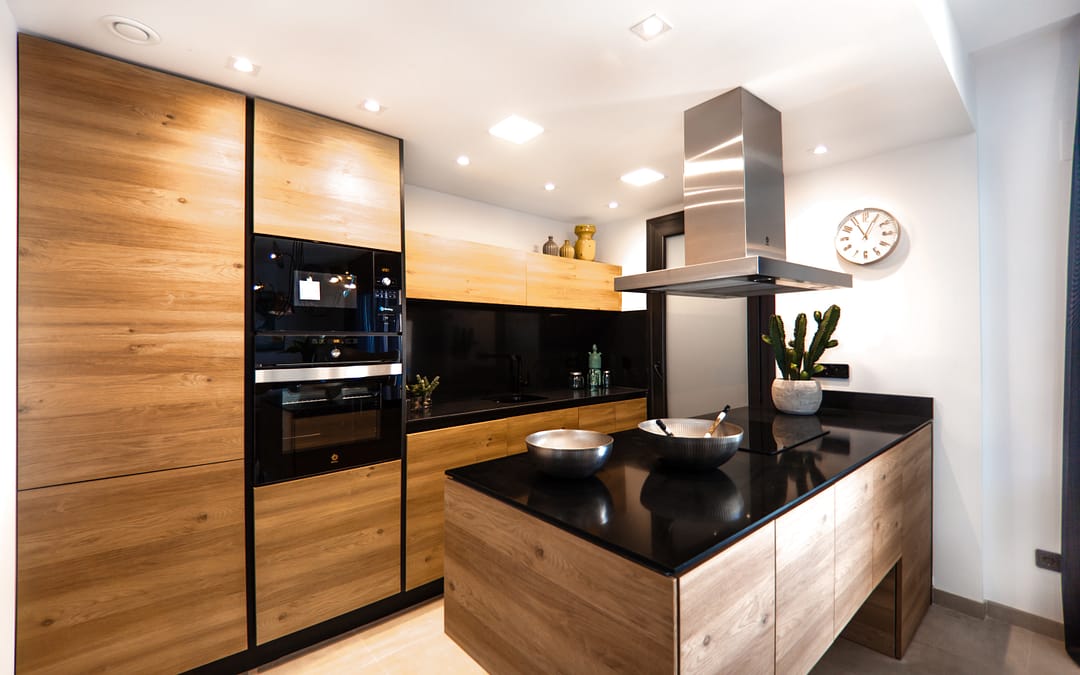
Incorporating a mix of fixtures such as recessed lighting, pendant lights, and under-cabinet LED strips can address both functional and aesthetic needs. For instance, while recessed lighting can provide a broad illumination that is ideal for general tasks, pendant lighting over a kitchen island may add a touch of style as well as focused light for meal preparation or dining. Similarly, under-cabinet lighting can enhance functionality by illuminating worktops while also adding a visually appealing glow to the kitchen.
This dual focus on practicality and visual appeal ensures that the kitchen remains a versatile space, suitable for both culinary tasks and social interactions, reflecting today’s lifestyles where kitchens are multi-functional spaces within the home.
Spotlight on Task Lighting Essentials
Task lighting is pivotal in the design of any kitchen, focusing on illuminating the areas where most kitchen activities occur, such as countertops, stoves, and sinks. This type of lighting is particularly crucial because it ensures that tasks can be performed safely and efficiently. Well-placed task lighting can prevent eye strain and increase precision in cooking tasks by providing adequate illumination exactly where it’s needed.
Options like under-cabinet LED strips or adjustable spotlights can direct light precisely and can be installed to ensure that no shadows are cast by the cook onto the workspace. When planning task lighting, it’s important to consider the placement of each light source relative to work surfaces and major appliances. Strategic placement will enhance functionality without creating glare or excessive shadows.
Moreover, with advances in lighting technology, modern task lighting solutions offer energy efficiency and longer lifespan, which are not only beneficial for reducing household energy consumption but also for minimising the need for frequent replacements, thus offering a sustainable and cost-effective lighting solution.
Ambient Lighting: Creating the Right Mood
Ambient lighting serves as the base layer of kitchen lighting, providing a soft, general light that fills the room without causing glare. In many homes, this is achieved through the use of ceiling fixtures, wall-mounted lights, or track lighting that casts an even glow throughout the space. This type of lighting is essential not just for functionality but also for creating a warm, welcoming atmosphere in the kitchen.
The right ambient lighting can make a kitchen feel more spacious and open while providing sufficient illumination for safe movement throughout the room. It can also be strategically used to highlight architectural features and complement natural light sources, enhancing the overall design aesthetic. Dimmer switches are a useful addition to ambient lighting fixtures as they allow the light intensity to be adjusted based on the time of day or the mood that needs to be set.
For instance, a brighter ambient light might be preferred during cooking, while a dimmer setting can create a relaxed environment for dining or socialising. This adaptability makes ambient lighting a critical component in the overall lighting scheme of a kitchen.
Accentuating Features with Accent Lighting
Accent lighting is used in kitchen design to highlight architectural features, artwork, or important elements like cabinetry or display shelves. This form of lighting adds depth and dimension to the kitchen, enhancing the overall aesthetic and drawing attention to specific details. It can be achieved through directional spotlights, LED strip lights, or even strategically placed uplighting.
For example, installing strip lighting inside glass-front cabinets or under floating shelves can showcase beautiful dishware and collectables, turning ordinary storage into a decorative display. Similarly, highlighting a textured backsplash or a piece of wall art can transform it into a focal point within the kitchen. Accent lighting not only enhances the beauty of the room but also contributes to a layered lighting effect that enriches the visual interest of the space.
When planning accent lighting, it is important to ensure that it complements the overall lighting scheme without overwhelming it. The key is to create subtle emphasis on selected areas, making accent lighting a subtle yet powerful tool in kitchen design.
The Role of Natural Light in Kitchens
Natural light plays an essential role in modern kitchen design, contributing to both the aesthetics and functionality of the space. Large windows, skylights, and ideally placed doors can flood the kitchen with daylight, making it appear brighter and more welcoming. Natural light not only enhances the true colours of food and decor but also helps in reducing reliance on artificial lighting, which can lead to energy savings.
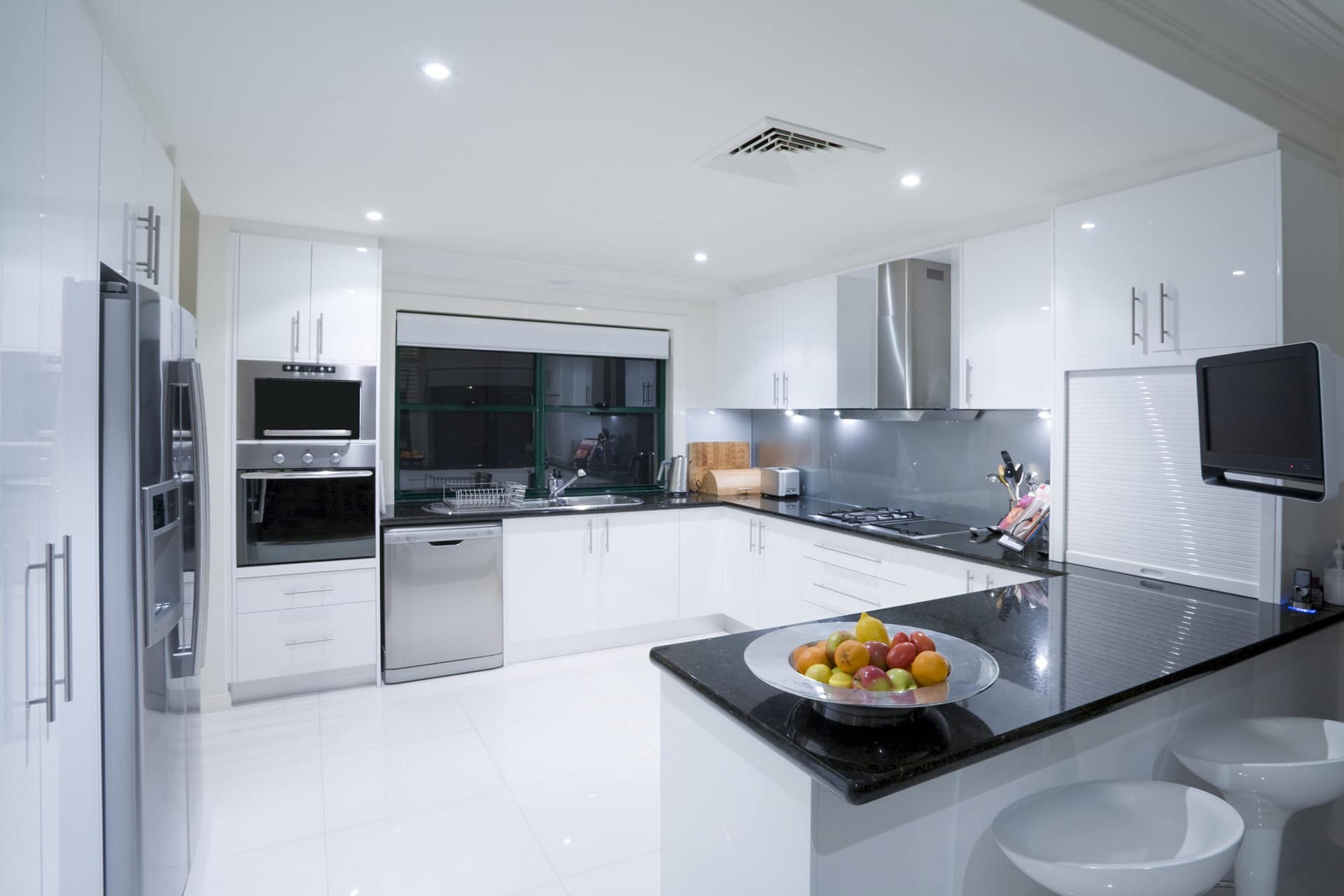
The orientation of the kitchen plays a crucial role in maximising natural light. For instance, a kitchen facing east can enjoy bright morning light, which is ideal for starting the day, while a west-facing kitchen might benefit from softer, warmer light in the afternoons. The use of reflective surfaces like mirrored backsplashes or high-gloss cabinets can further amplify natural light, brightening up even the darkest corners of the kitchen.
Moreover, integrating natural light into the kitchen design can also be beneficial for health, as it helps regulate circadian rhythms and boosts mood. Large windows or glass doors leading to the outdoors also enhance connectivity with nature, making the kitchen a more vibrant and healthy environment.
Smart Lighting Solutions for Modern Homes
Smart lighting technology has revolutionised kitchen design by offering unparalleled convenience and efficiency. Modern smart lighting systems can be controlled via smartphone apps or voice commands, allowing homeowners to adjust lighting levels, switch lights on or off, and even change light colours from anywhere in the home. This level of control not only enhances convenience but also helps in managing energy usage more effectively.
For instance, motion-sensor lights can automatically turn on when someone enters the kitchen, and turn off when it’s not in use, ensuring that energy is not wasted. Programmable settings allow for the creation of pre-set scenes for different activities like cooking, dining, or cleaning, making it easy to get the perfect lighting with just a tap or a voice command.
Furthermore, smart lighting can be integrated with other home automation systems, leading to a more synchronised and efficient home environment. This integration can include features like syncing lights with security systems or other sensors, providing a safer and more responsive living environment.
Choosing the Right Bulbs and Fixtures
When selecting bulbs and fixtures for kitchen lighting, several factors need to be considered to ensure they meet both functional and aesthetic requirements. The type of bulb is significant, with options ranging from LEDs and halogens to CFLs. LEDs are often preferred for their longevity and energy efficiency, which can significantly lower electricity bills over time.
Fixtures also play a critical role in kitchen aesthetics and functionality. The style of fixtures should complement the kitchen’s overall design theme, whether it’s contemporary, traditional, or industrial. Functionally, fixtures should provide adequate and adjustable lighting to meet the diverse needs of the kitchen. For example, pendant lights are excellent for providing direct light over a dining area or island, while recessed lighting works well for general ambient lighting.
Additionally, considering the colour temperature of light bulbs is important. Bulbs with a cooler temperature are generally suitable for task lighting, as they provide a brighter, more focused light. Warmer bulbs, on the other hand, are ideal for ambient or accent lighting, creating a cosy and inviting atmosphere. Thus, the right choice of bulbs and fixtures is crucial not only for enhancing the kitchen’s functionality but also for ensuring that it is a pleasant and welcoming space.